
Phase 1 Investment Window Closing Soon!
Luxury Development On Table Rock Lake – Branson, Missouri
Luxury Resort Development On Table Rock Lake
A Luxury
Lakefront
Resort Shaped
By Nature And Built For The Future
A Luxury Lakefront Destination Shaped
By Nature And Built For The Future
Victory Springs is a master-planned lakefront community crafted to deliver an elevated guest experience while providing investors access to a uniquely positioned hospitality development.
Full project details available only via official offering documents.
The Vision Behind Victory Springs
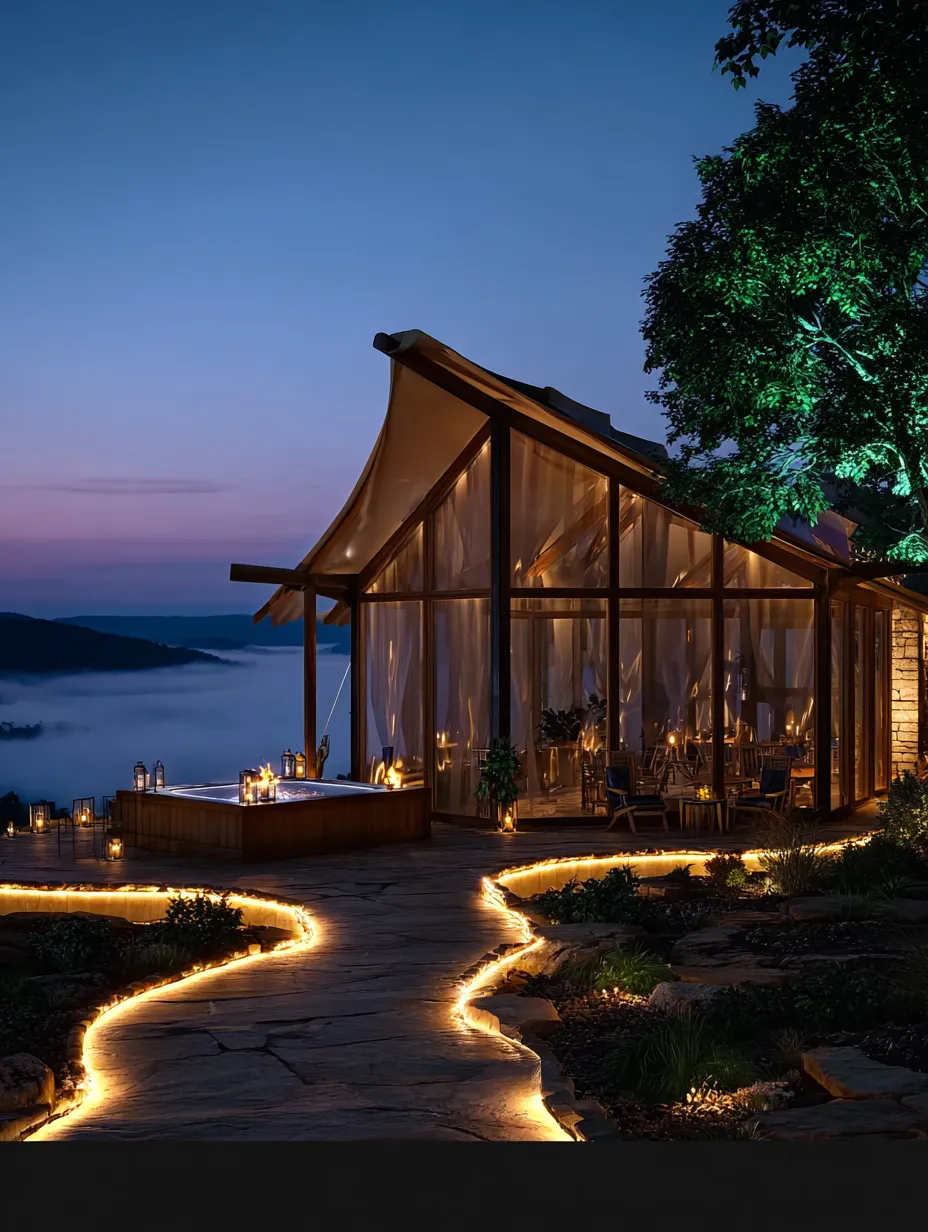
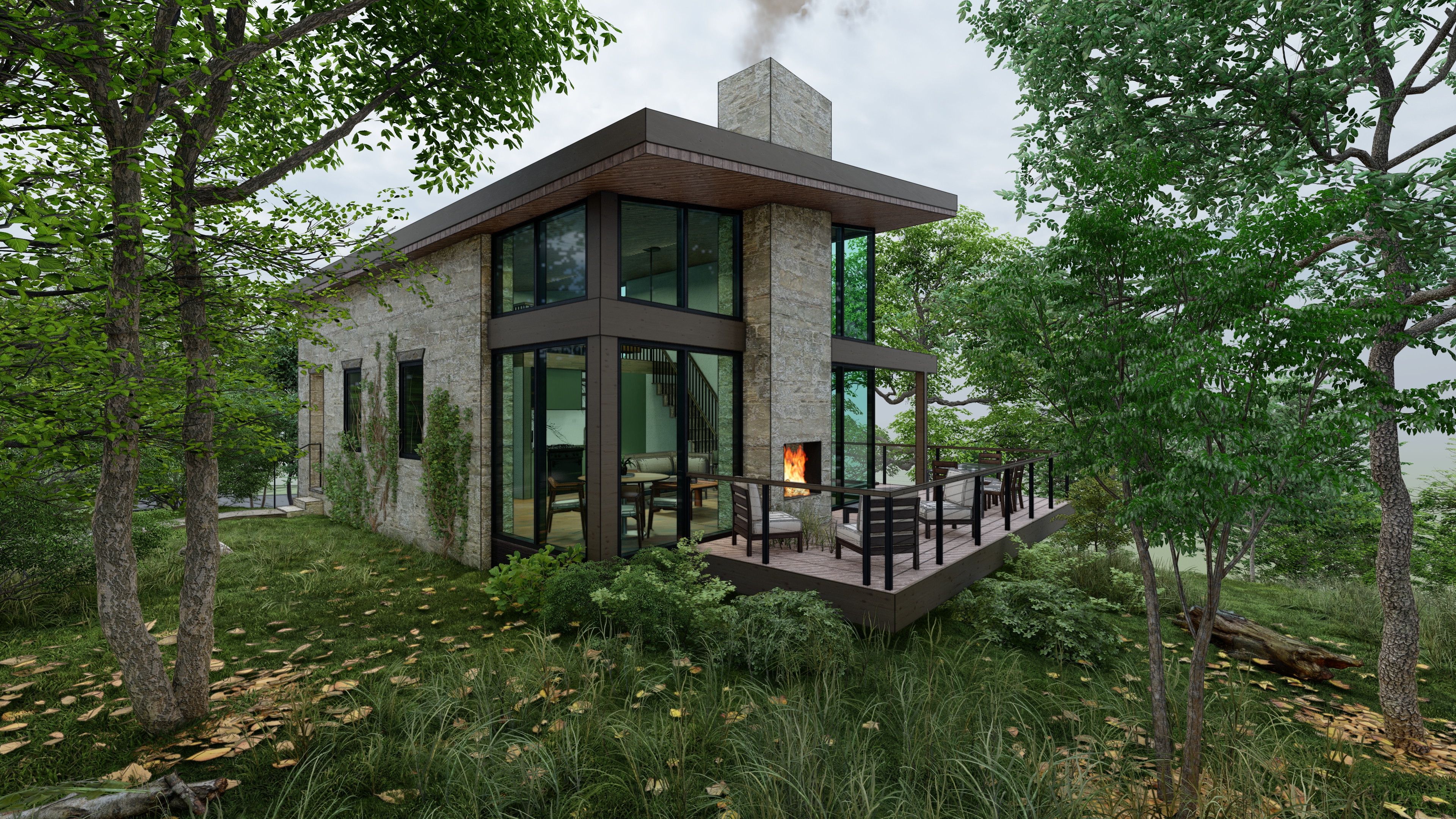
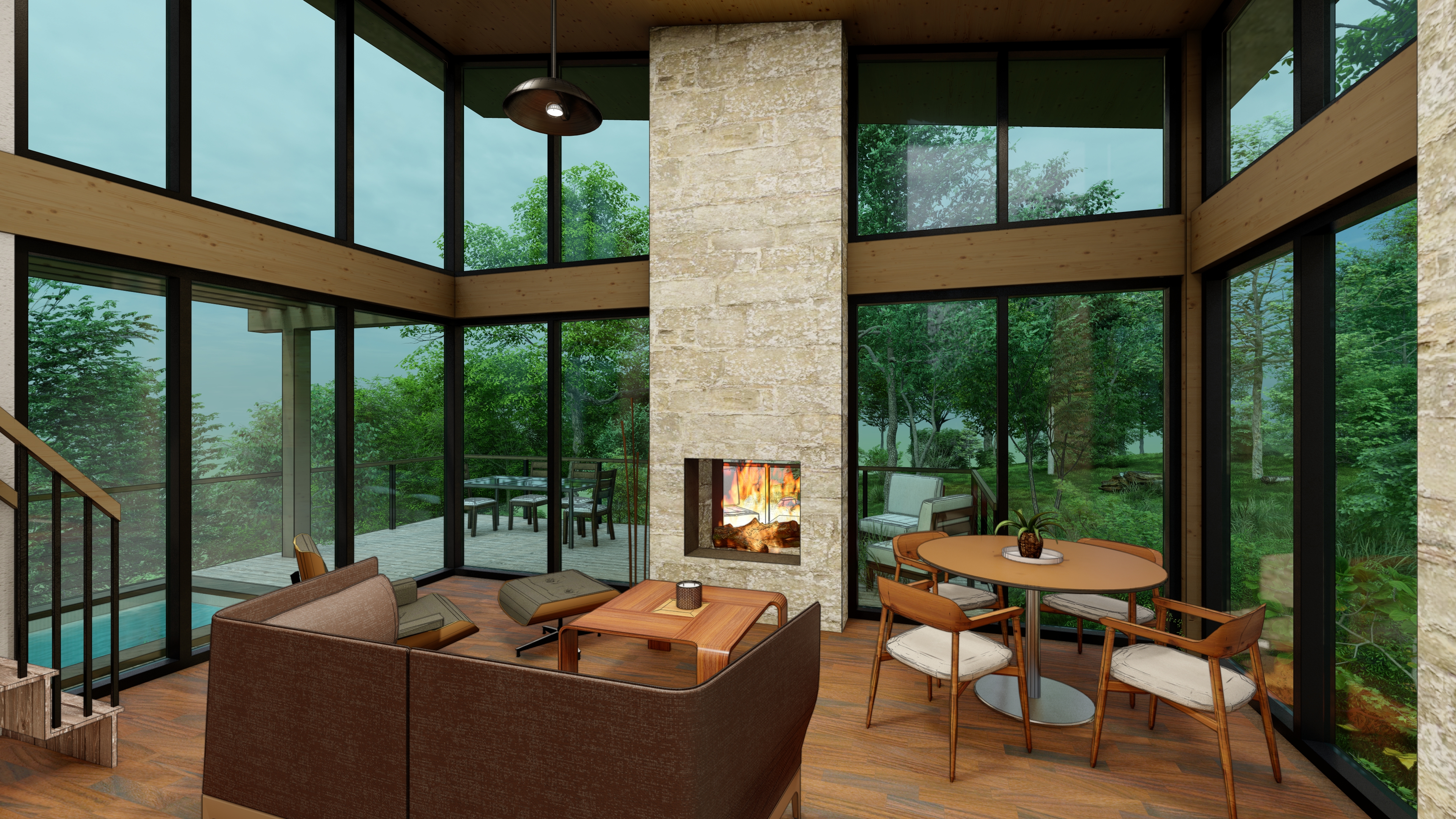
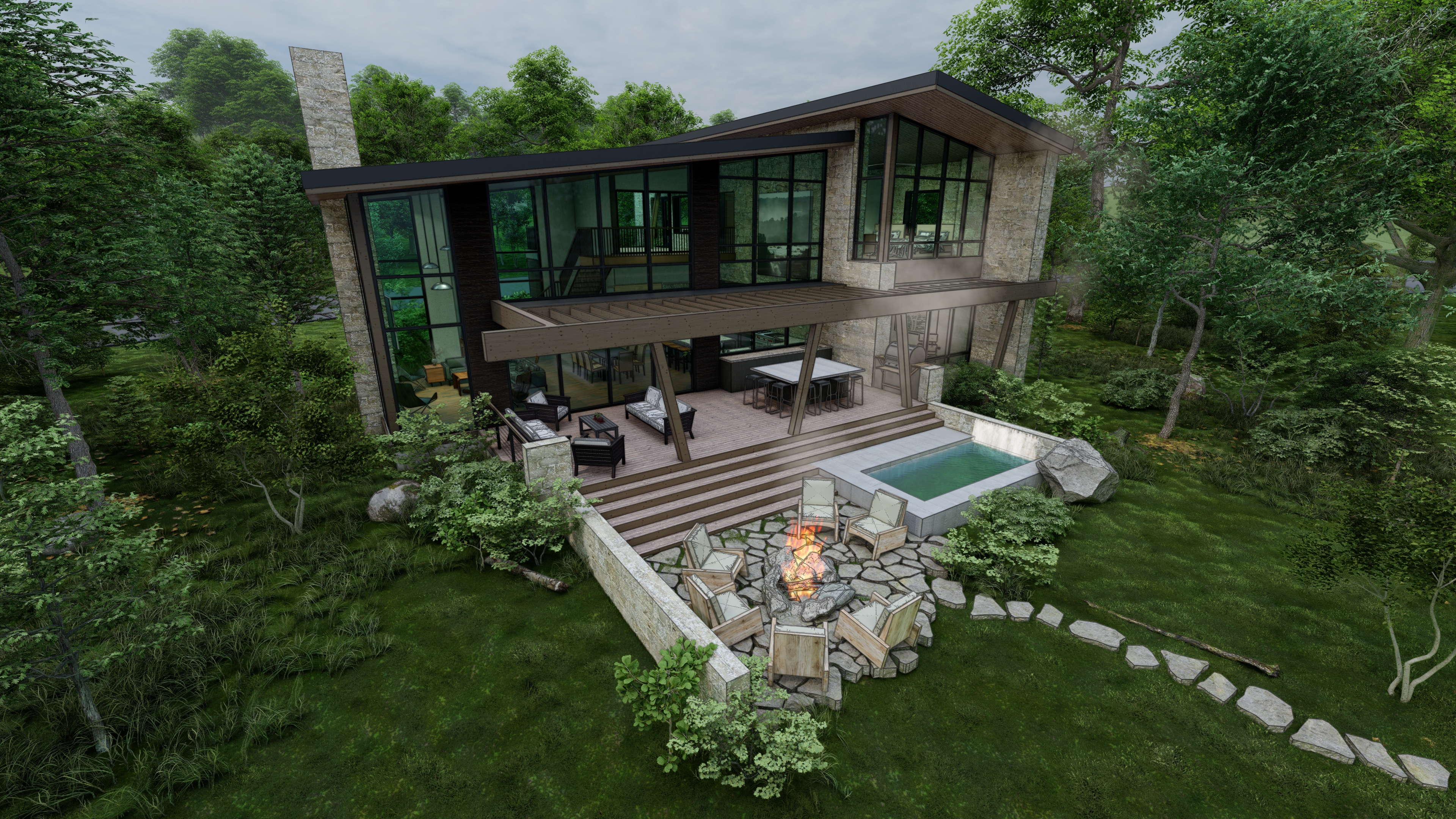
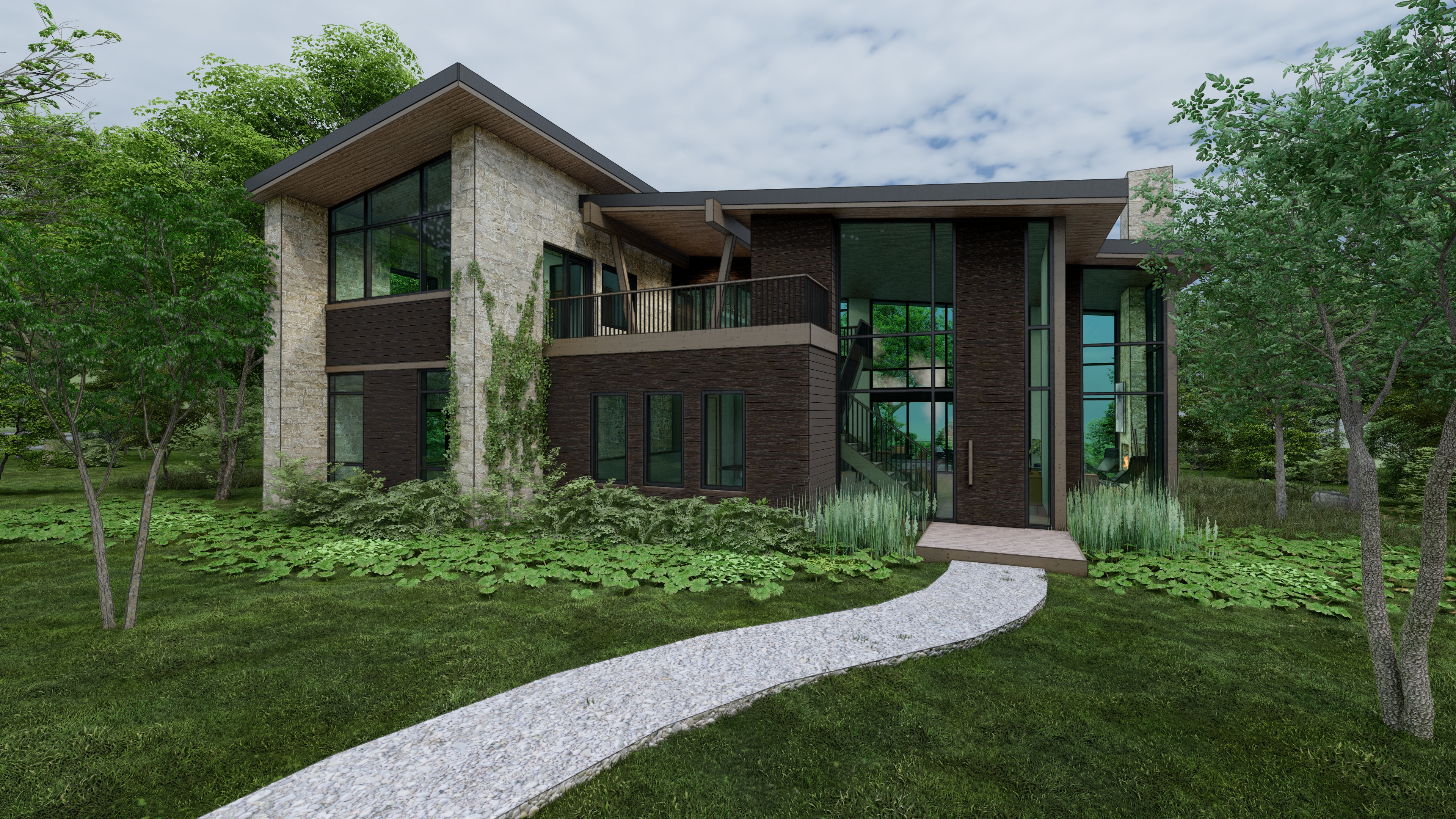
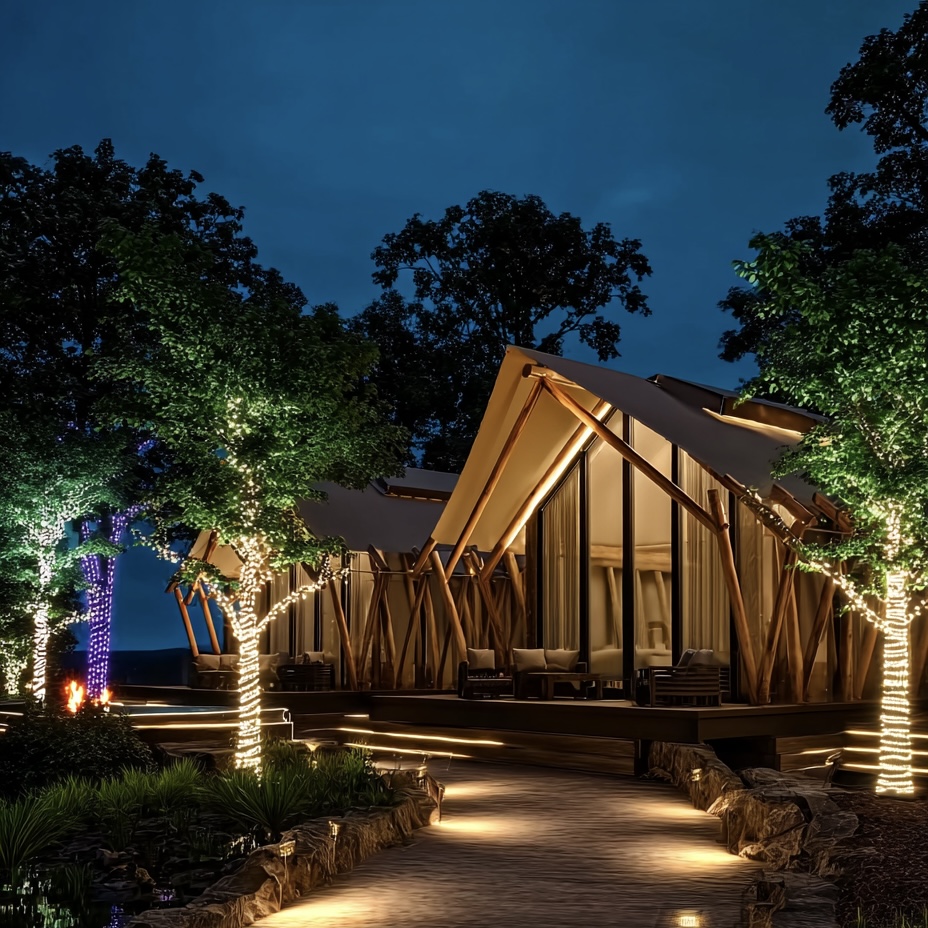
Victory Springs is a master planned luxury development featuring branded short-term rentals, smart tech cabins, and a nature-forward design centered around Battleship Rock, a landmark on Table Rock Lake. This development represents a unique opportunity to invest in a premium hospitality asset in one of America's most visited lakefront destinations.
Total Project Size
Luxury Resort Development
Structure
Single Asset Syndication
Focus
Branded Short Term Rental Resort
Status
Shovel Ready – Land Acquired And Entitlements Complete
A Proven Destination With Room To Grow: Branson, MO
10M+ Annual Visitors
To Branson and Table Rock region
$1.7B+ Tourism Spending
Each year in the region
#1 Ranked Lake
By multiple travel sources
Half the U.S. Population
Within one day's drive
The region’s visitor growth has outpaced new resort development for years, creating a meaningful supply gap and a strong opening for well-designed hospitality projects.
HIGH DEMAND, LIMITED MODERN SUPPLY
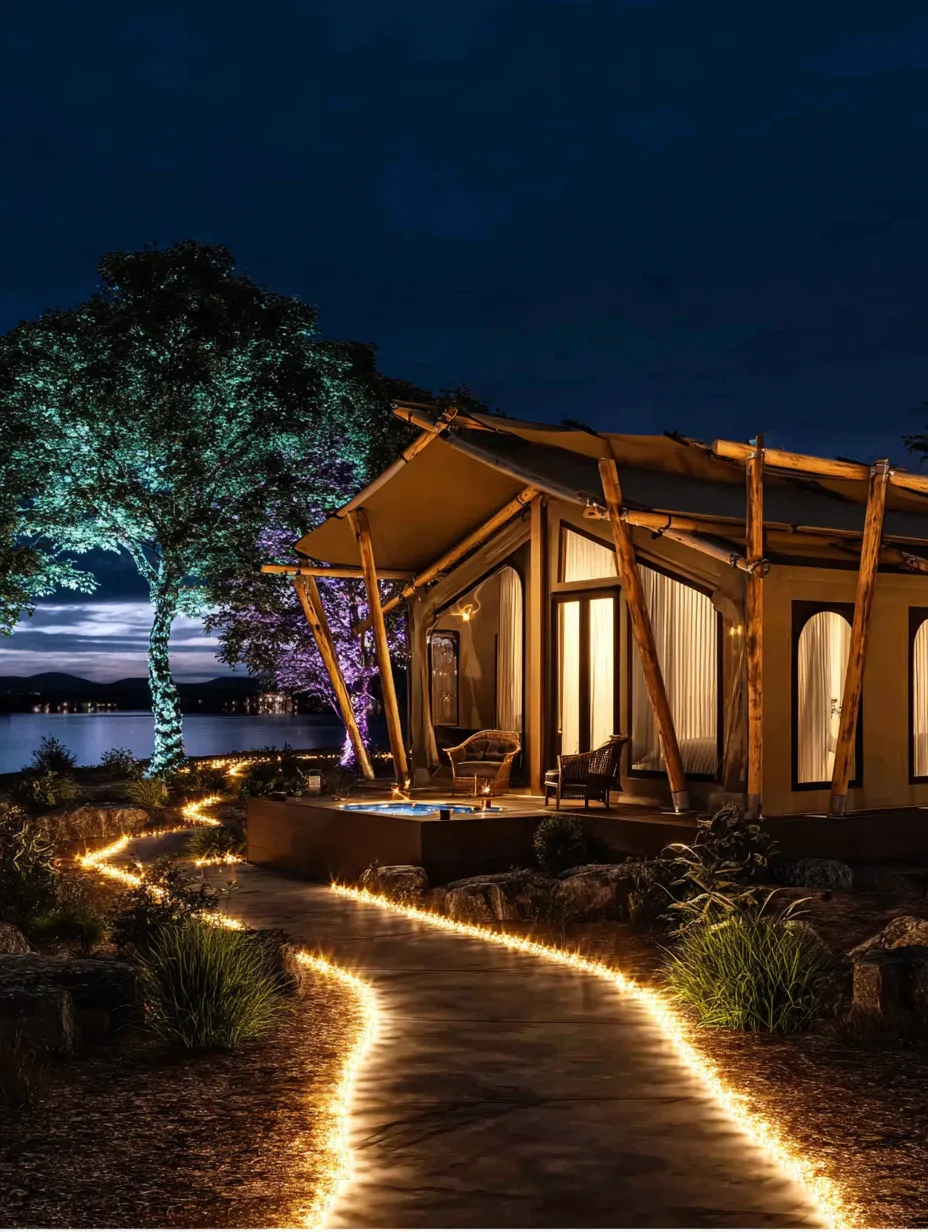
Phase 1: Victory Camp
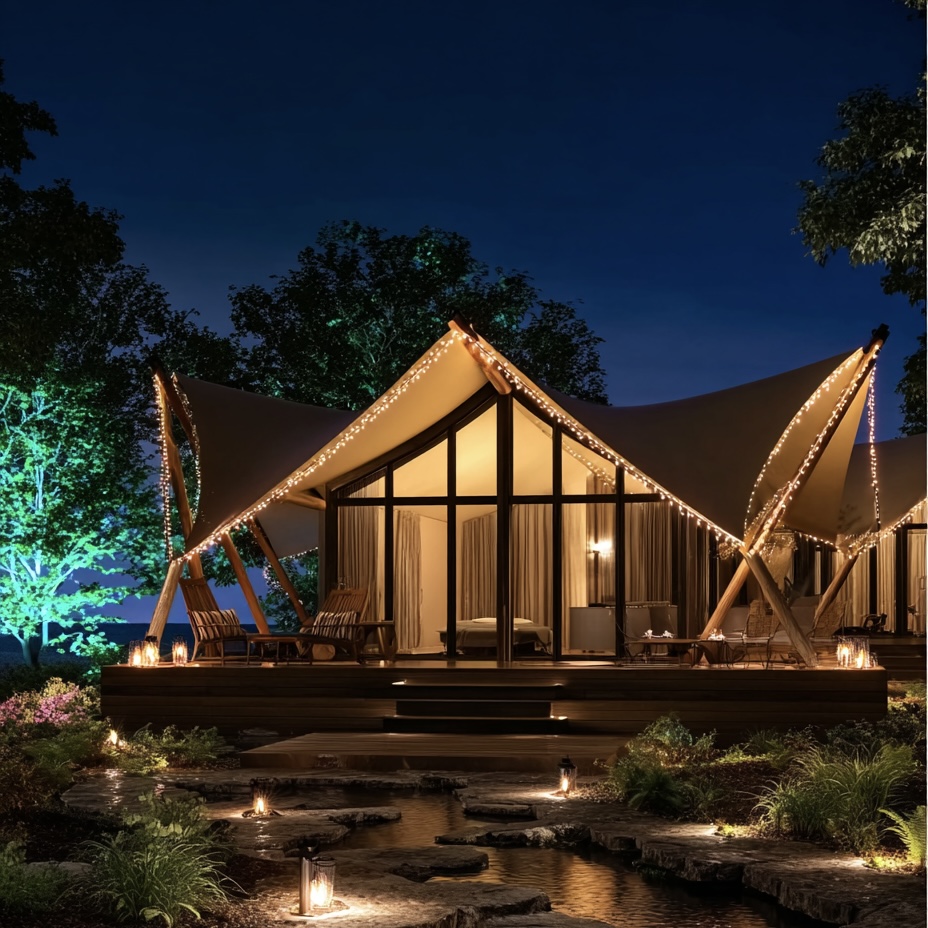
Phase 1 brings the first 16 luxury units at Victory Springs to life, allowing the project to begin generating income while the full project is under development. These units are designed to produce meaningful early revenue that helps strengthen the financial base of the project. A portion of this income supports operational momentum and contributes to the broader build-out process. Phase 1 also validates guest demand and pricing strength, which is essential for planning future expansion. By proving the model early, Victory Springs positions itself for a scalable and sustainable development path.
A Destination Where Nature And Luxury Meet
Every element of Victory Springs is designed to create unforgettable experiences for guests
while maximizing operational efficiency and revenue potential.
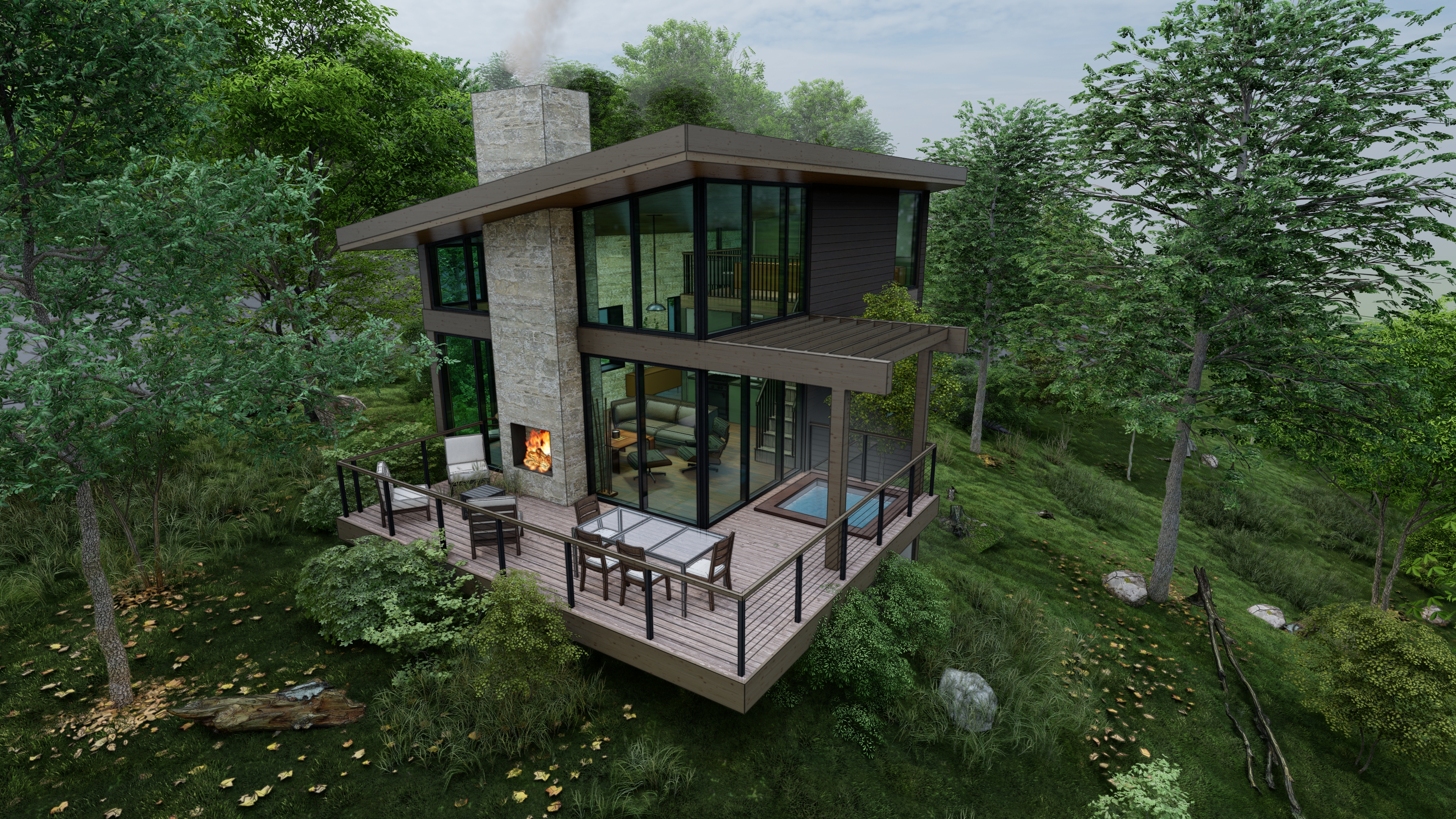
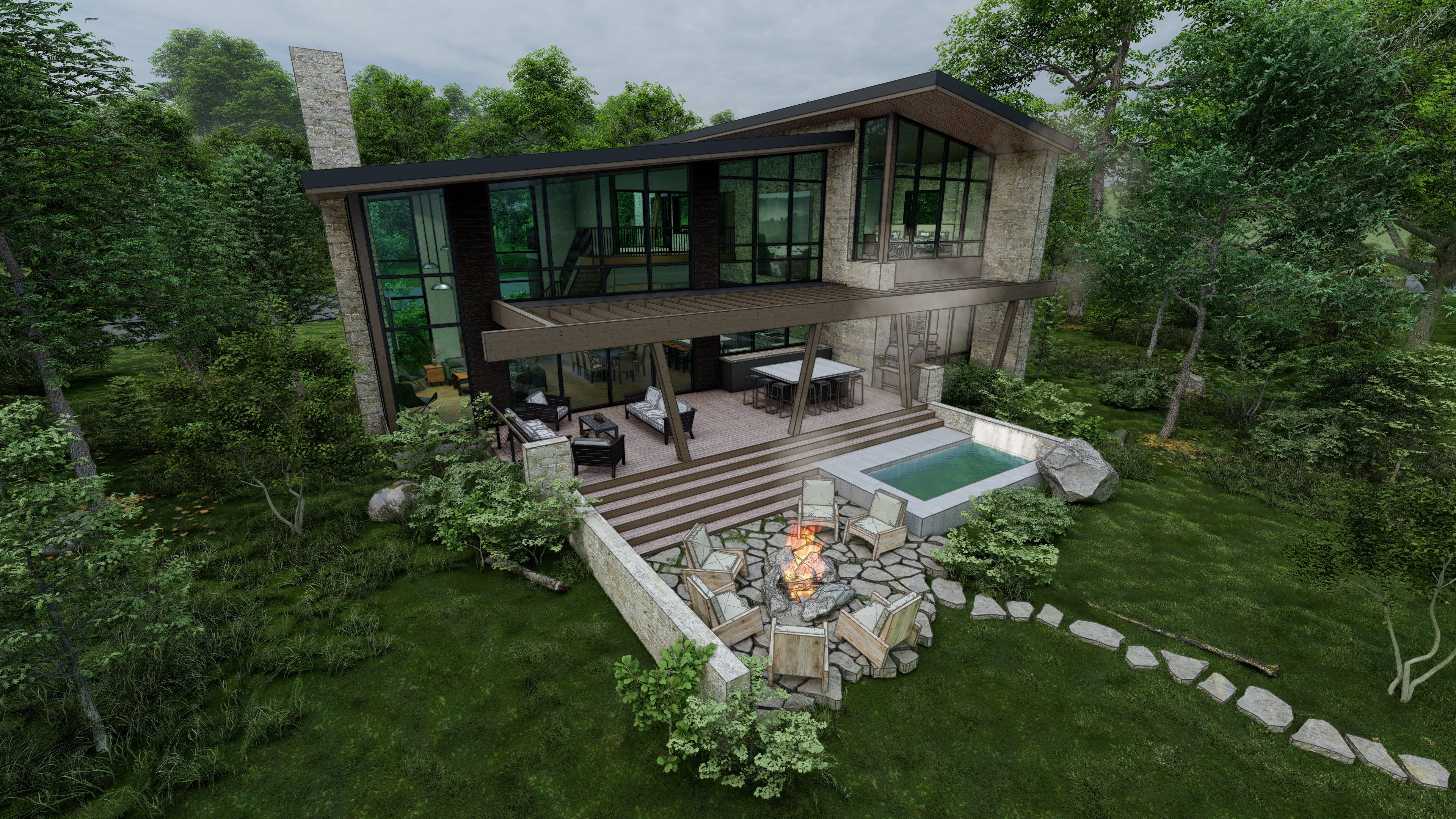
Luxury Stays
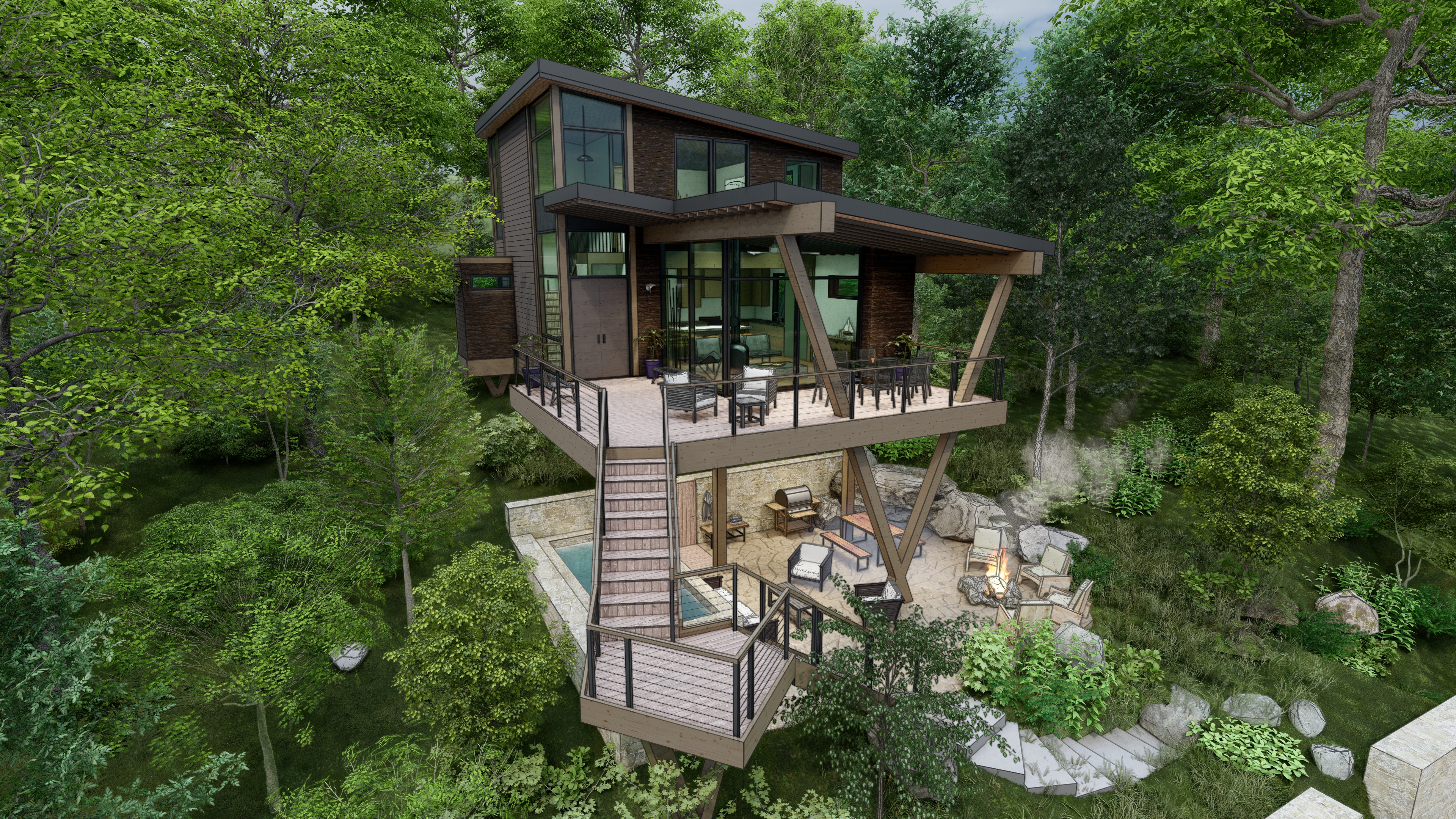
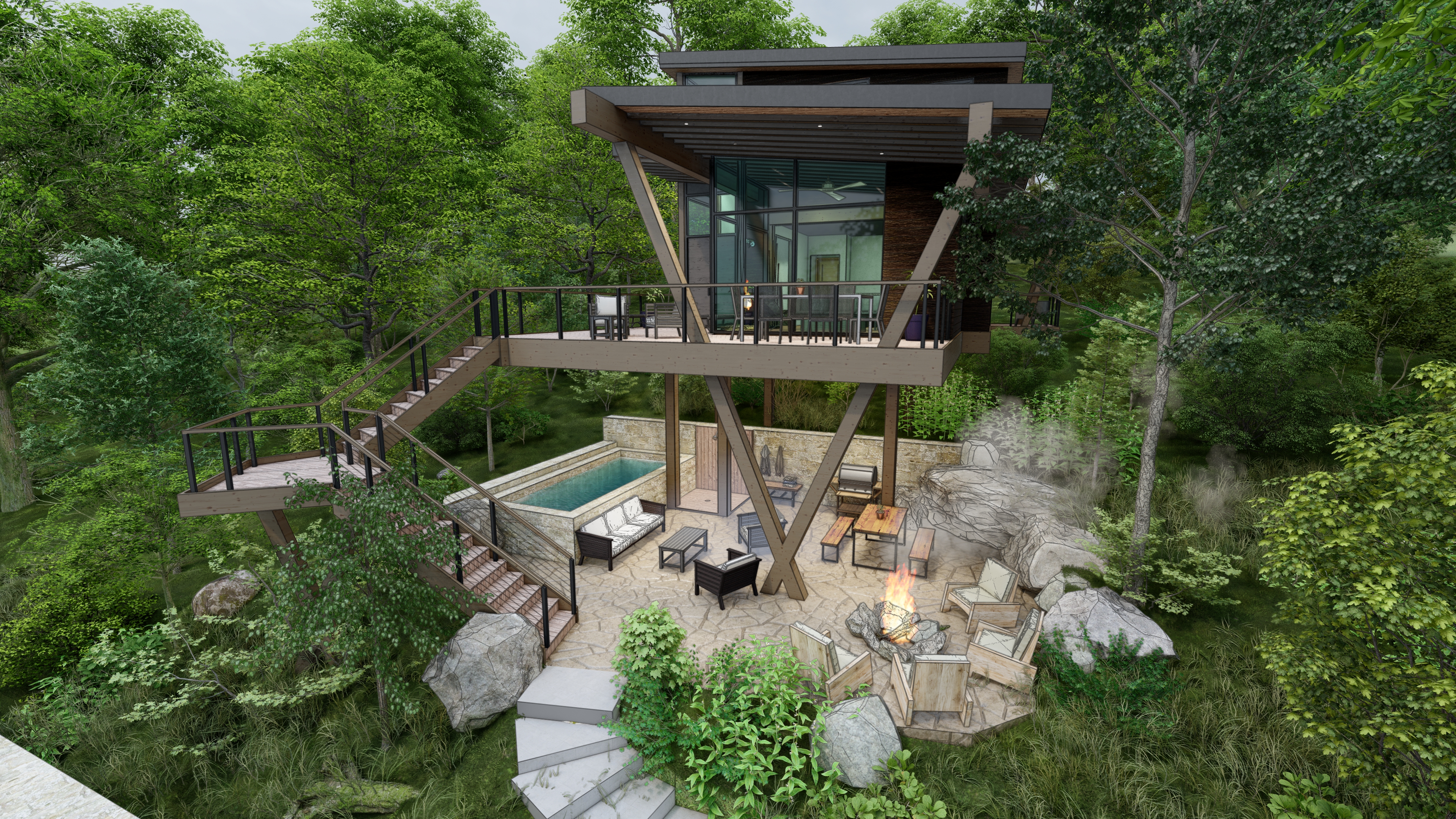
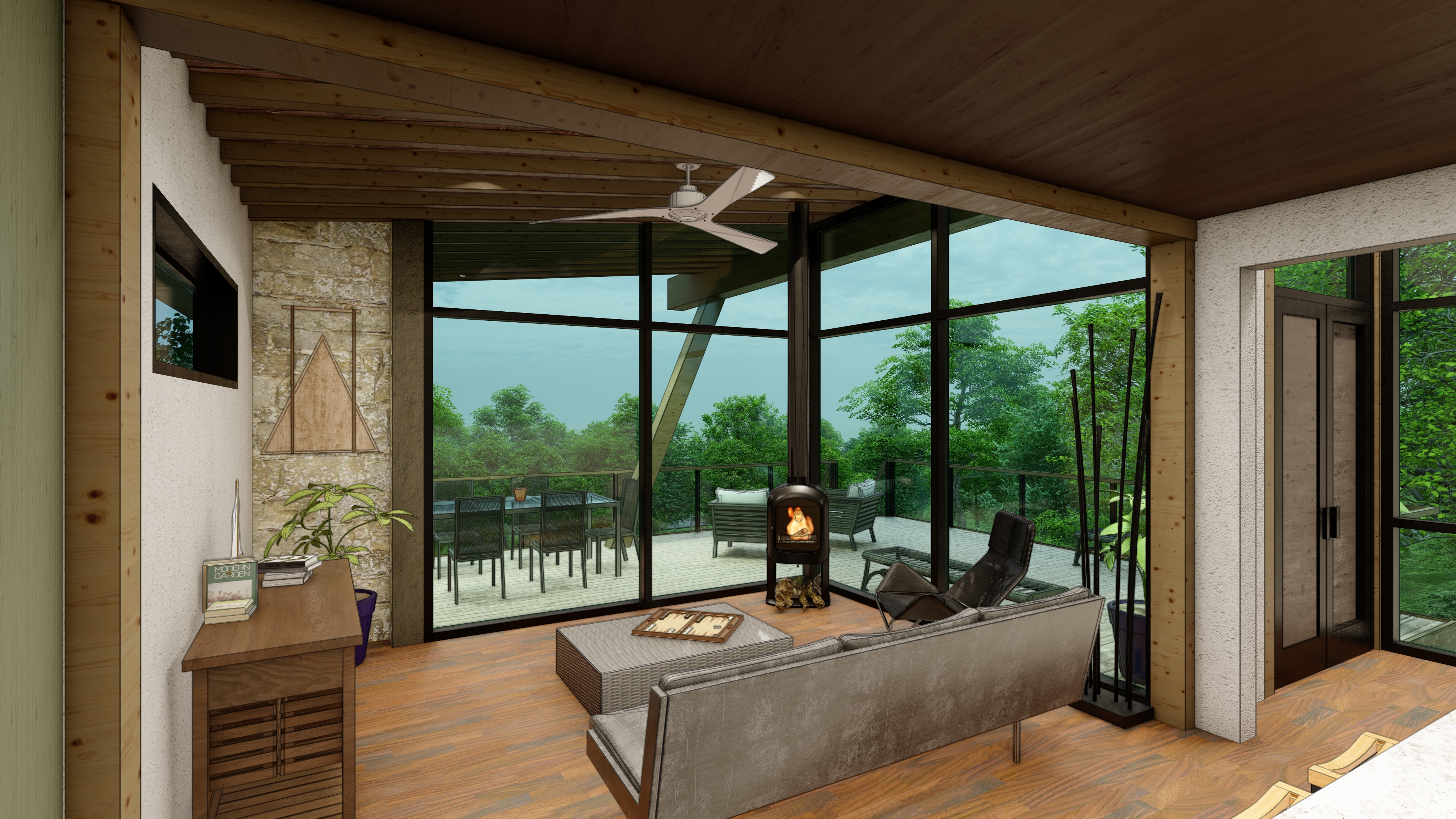
Branded cabins, treehouses, and lakefront retreats designed for comfort, privacy, and style.
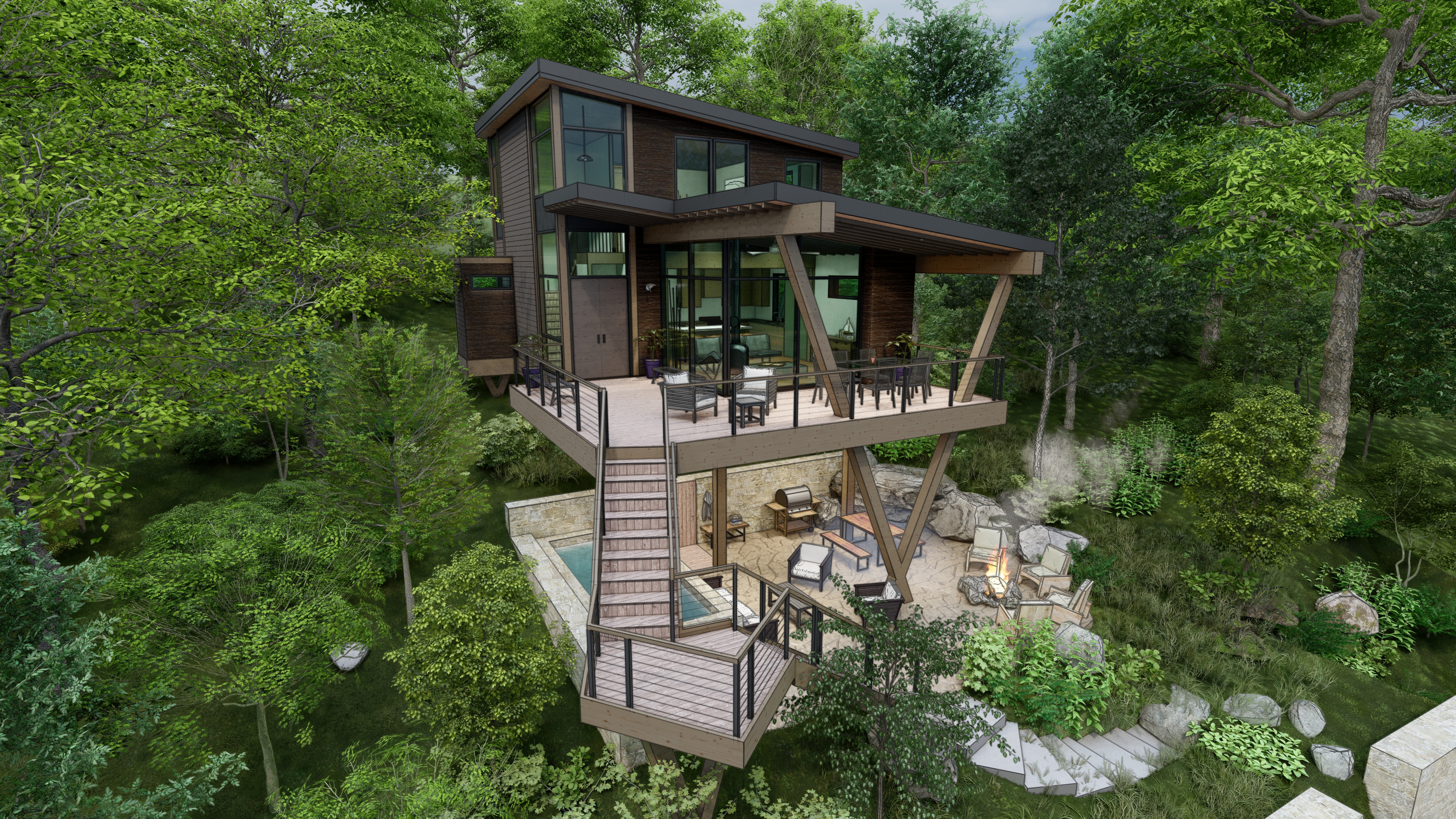
Immersive Nature
Trails, firepits, suspended walkways, and direct access to the iconic Battleship Rock cliffs.
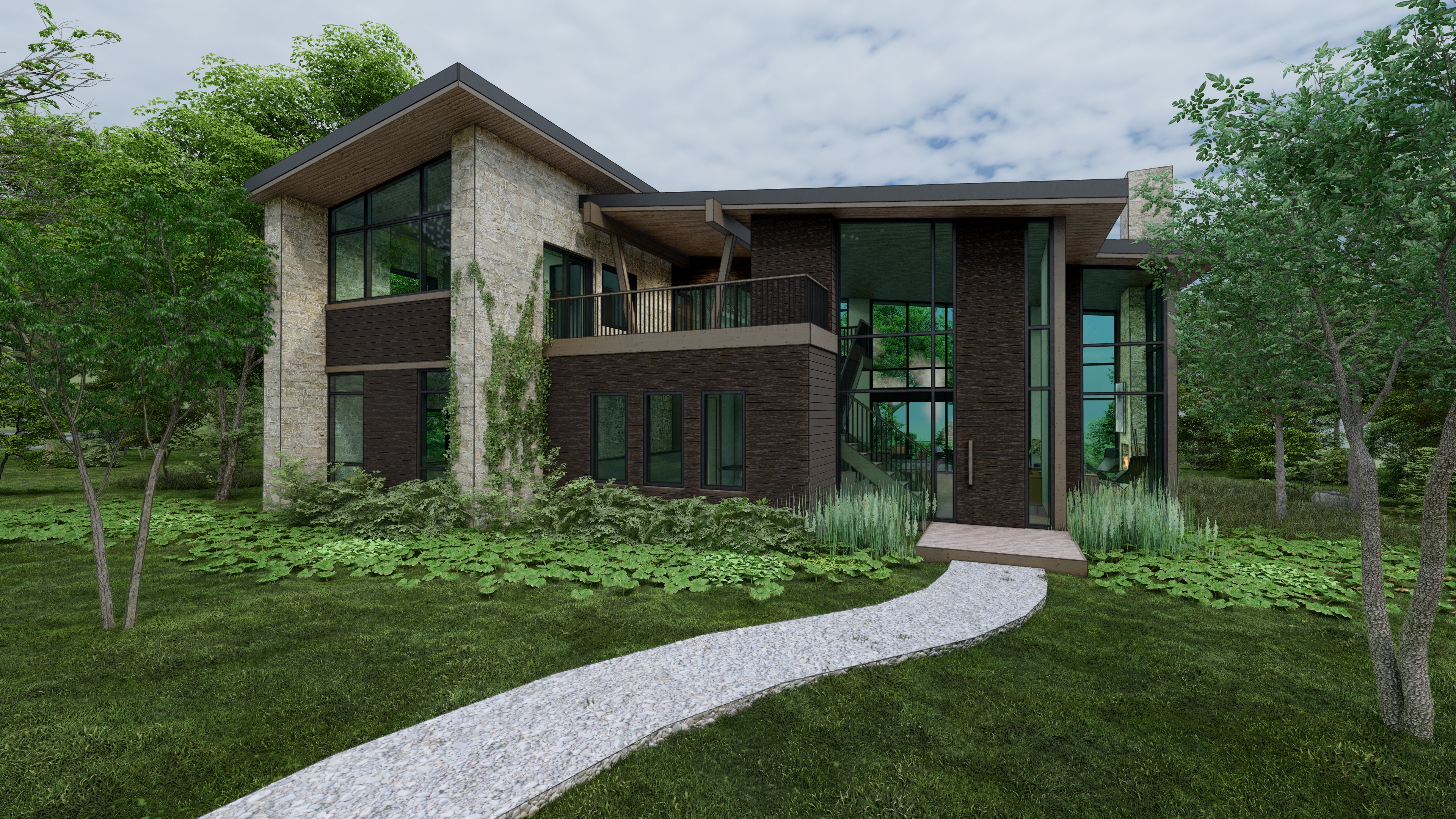
Smart Technology
Intelligent lighting, app-controlled access, integrated audio, and seamless guest experiences.
Resort Amenities
Spa-inspired wellness areas, pickleball courts, water features, outdoor gathering spaces.
Thoughtfully Structured For Long Term Value
Victory Springs is structured as a single asset syndication with general partners and limited partners. The investment focus is on long-term ownership and operation, with upside potential driven by lodging demand, weddings, events, and premium guest experiences.
STRUCTURE
Single Asset Hospitality Development
FOCUS
Long Term Hold With Income And Upside Potential
MINIMUM
Designed For Sophisticated Investors
Important Notice: Specific terms, projections, and risk factors are available only in the official investor documents and are not presented on this website. This website is for informational purposes only and does not constitute an offer to sell or a solicitation of an offer to buy any securities.
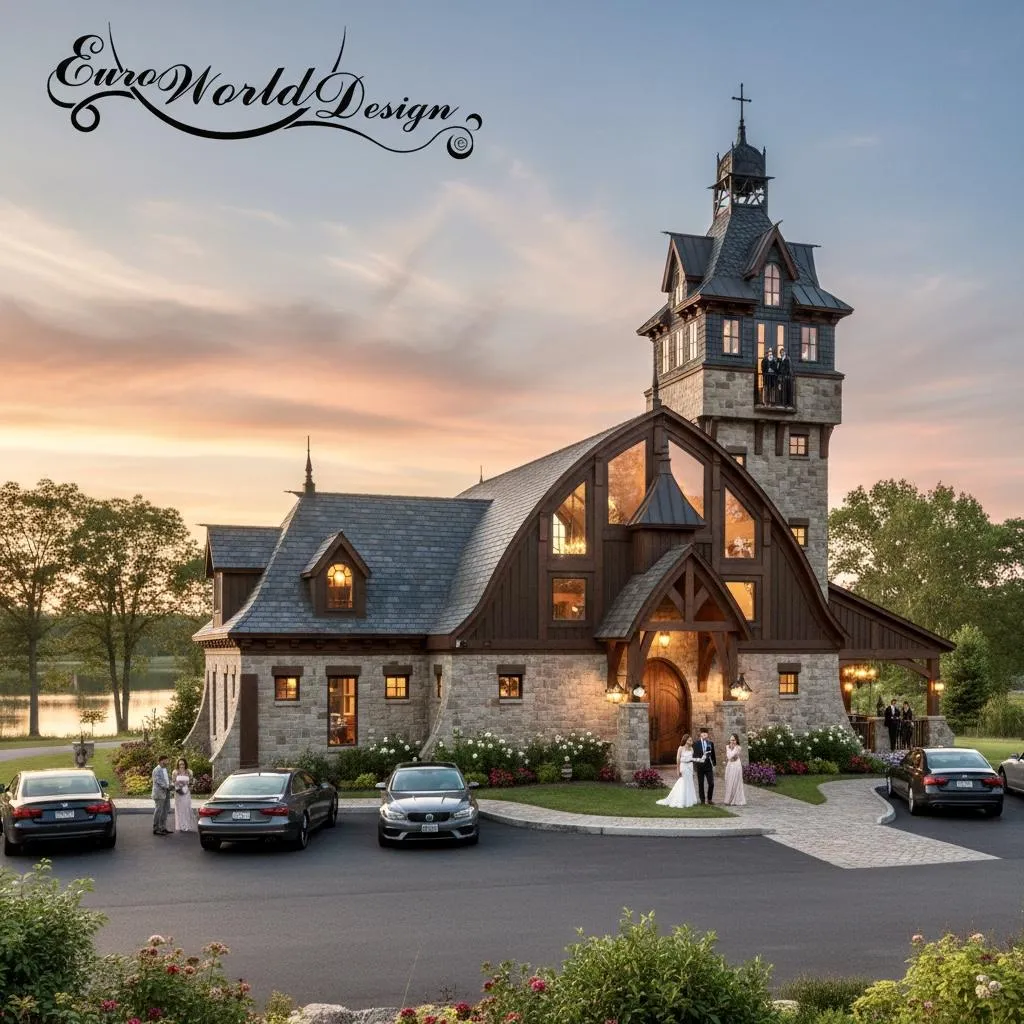
A Chapel And Event Venue Designed For Moments That Matter
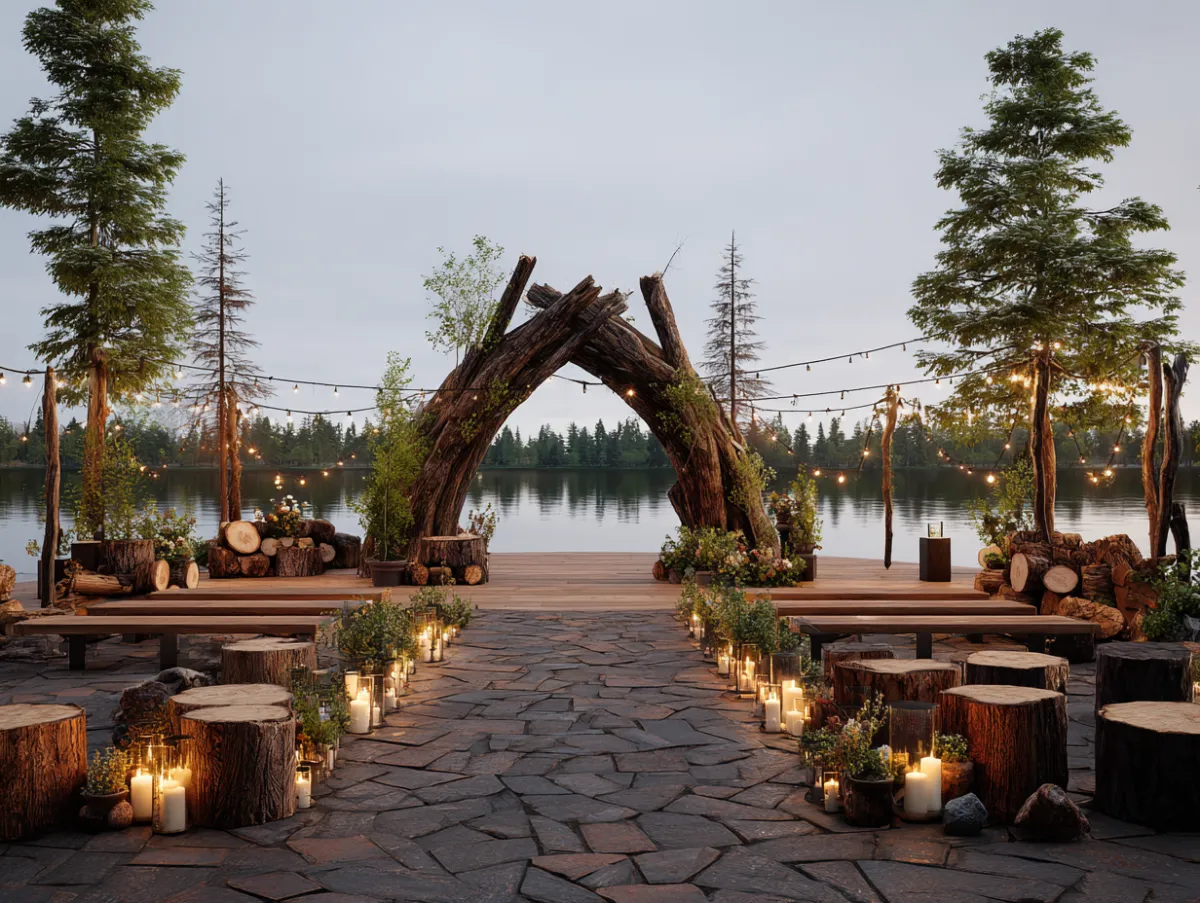
Victory Springs includes a luxury chapel and event venue designed for weddings, retreats, and special gatherings that drive occupancy, group bookings, and high-value stays. This strategic component adds significant revenue diversification to the resort model.
Destination Weddings
Extend stays and increase total spend per guest
Corporate & Group Retreats
Fill off-peak seasons with high-value bookings
Ancillary Revenue
Events, spa, and on-site experiences drive additional income
Led By A Team With Deep Experience
The general partners behind Victory Springs bring decades of combined experience in short-term rentals, community development, and the Branson market specifically. This team has a proven track record of delivering high-quality hospitality assets that perform.
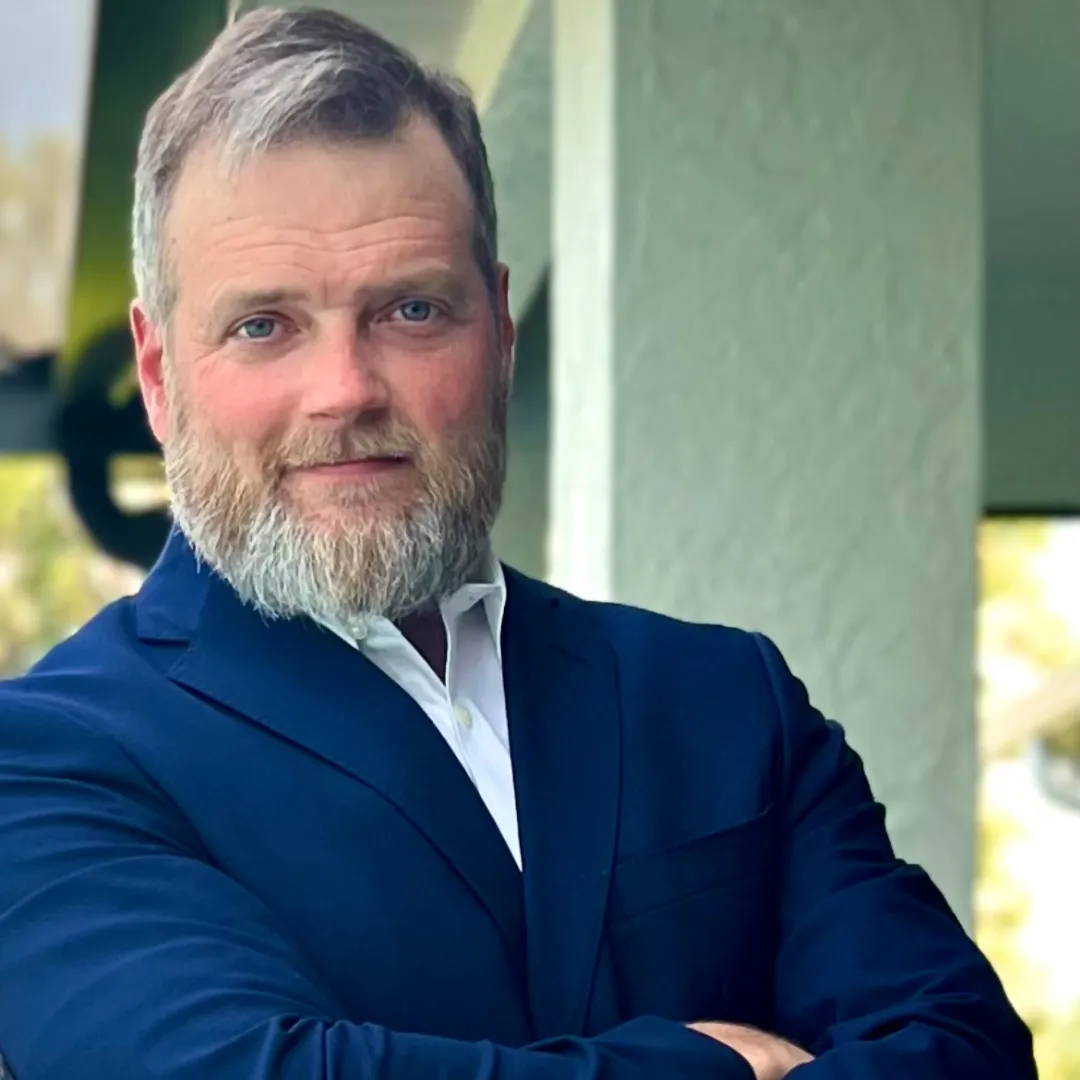
Jeramie Worley
Lead General Partner
Broker, developer, and operator with a long history in short term rentals and resort assets in the Ozarks.
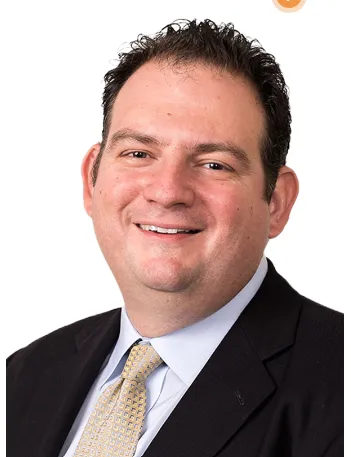
Stephen Hall
Lead General Partner
Tax strategist, entrepreneur, and investor with deep experience advising business owners, landlords, and scaling companies across multiple industries.

Brad Youngblood
Lead General Partner
Broker, developer, and operator with a long history in short term rentals and resort assets in the Ozarks.
Frequently Asked Questions
Common questions from sophisticated investors
What type of investment structure is this?
Victory Springs is structured as a private placement limited partnership. It is a single asset syndication with general partners (GPs) and limited partners (LPs). The GPs manage the development, operations, and strategic decisions, while LPs provide capital and participate in the economic returns of the resort.
What is Phase 1 and how does it fit into the larger vision?
Phase 1 is Victory Camp. 16 glamping units that are designed to bring in early revenue and early tax benefits for investors. Victory Camp represents the initial buildout, while setting the foundation for future expansion phases across the full master plan.
How will investor communication and reporting be handled?
Communication is strongly valued, and investors can receive regular updates on our social media pages, and private groups. Investors receive regular updates through quarterly reports, annual meetings, and access to a secure investor portal. All communications follow industry best practices and comply with securities regulations. Detailed reporting structures are outlined in the official offering documents.
How is the project aligned with the surrounding environment and community?
Victory Springs is designed with a nature-forward approach that respects and enhances the natural beauty of Table Rock Lake. The development prioritizes sustainable practices, minimal environmental impact, and integration with the local community. All entitlements and permits have been secured with community input.
Additional questions? Detailed information is available only upon request and through official offering documents. Schedule a discovery call to learn more.
Explore Whether Victory Springs
Fits Your Portfolio
If you resonate with the vision for Victory Springs and want to understand the opportunity in
more detail, the next step is simple.
Legal Disclaimer: This is not an offer to sell any security. Any offers will be made only through formal offering documents. Past performance does not guarantee future results. All investments involve risk, including the possible loss of principal.
VICTORY SPRINGS
A luxury lakefront development on Table Rock Lake, Branson, Missouri.
Master Planned Destination
Important Disclaimer: This website is for informational purposes only and does not constitute an offer to sell or a solicitation of an offer to buy any securities. Any such offer or solicitation will be made only by means of a confidential private placement memorandum and related subscription documents, which will be furnished to qualified investors upon request. No money or other consideration is being solicited, and if sent in response to this website, will not be accepted.
All investments involve risk, including the loss of principal. Past performance is not indicative of future results. Prospective investors should carefully review all offering documents and consult with their own legal, tax, and financial advisors before making any investment decision.
© 2026 Victory Springs Development. All rights reserved. Built By Blue Ladder Strategies